Statement on YFQ-42A Flight Incident
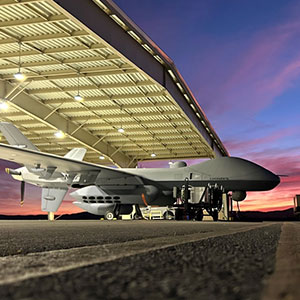
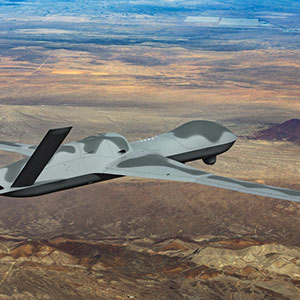
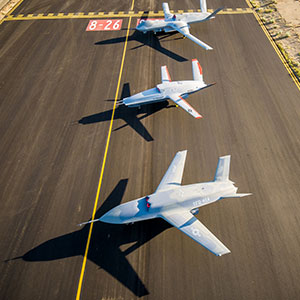
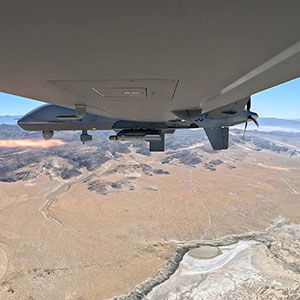
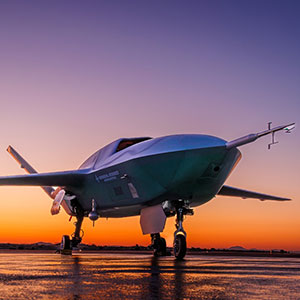
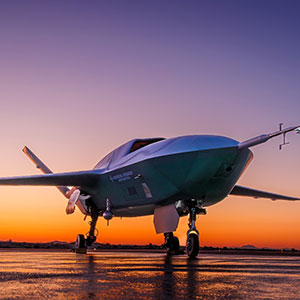
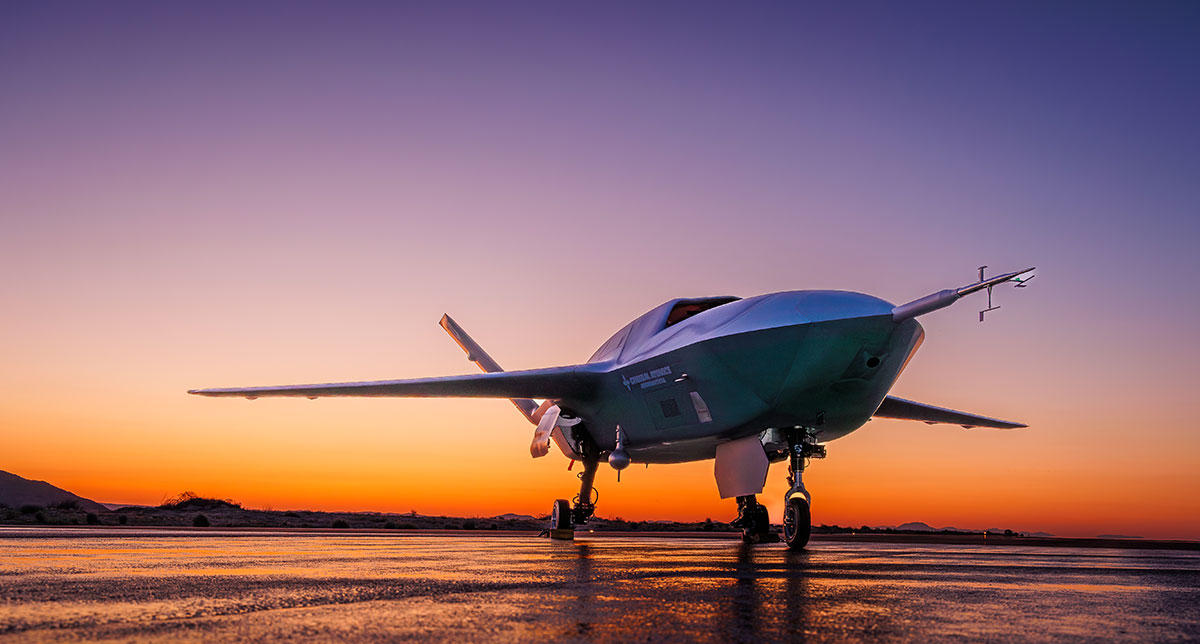
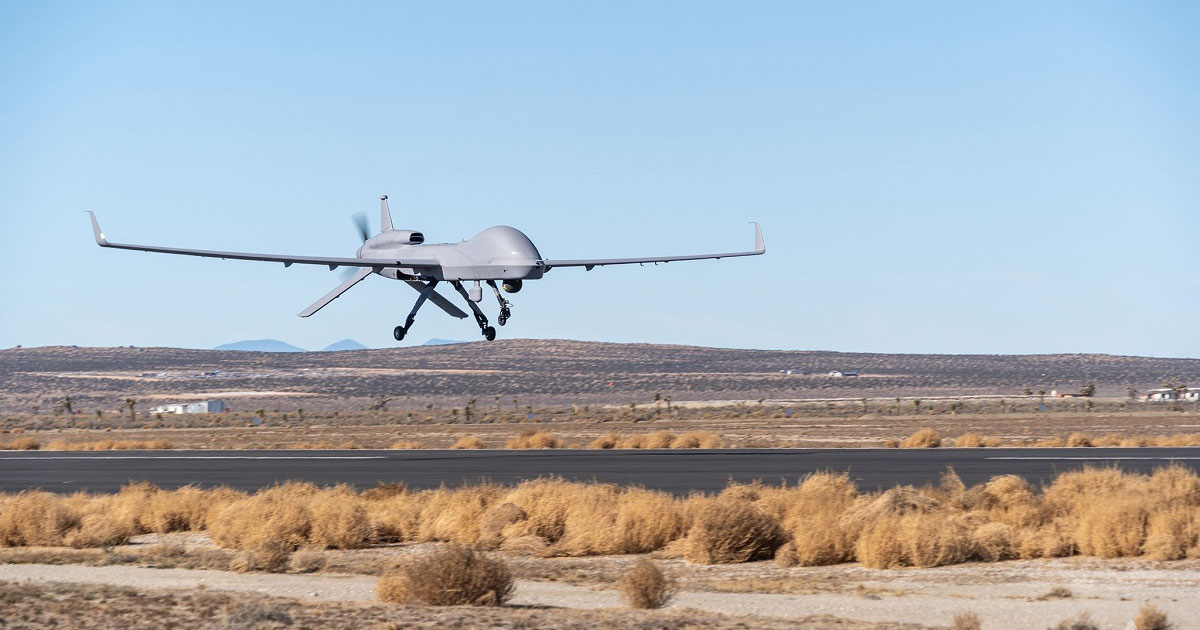
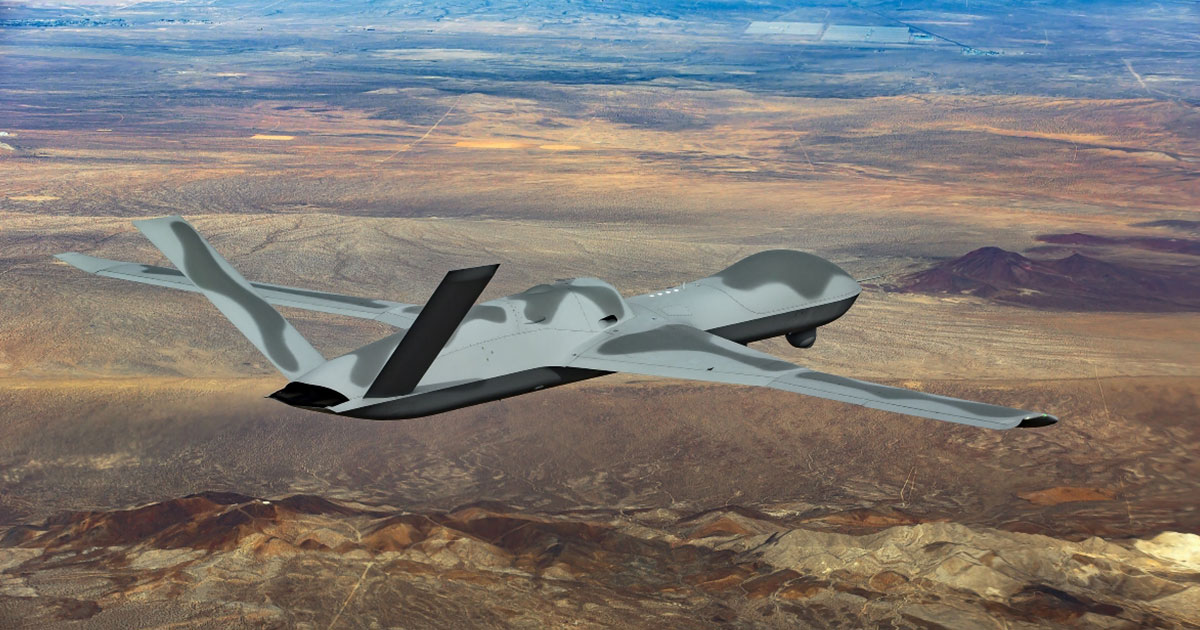
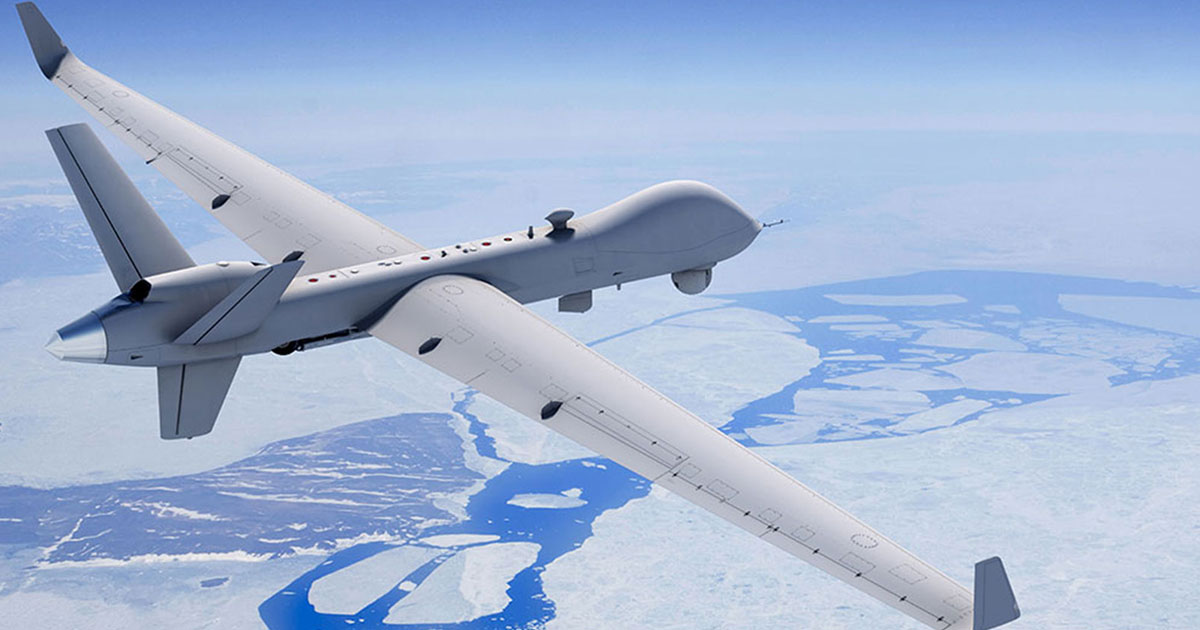
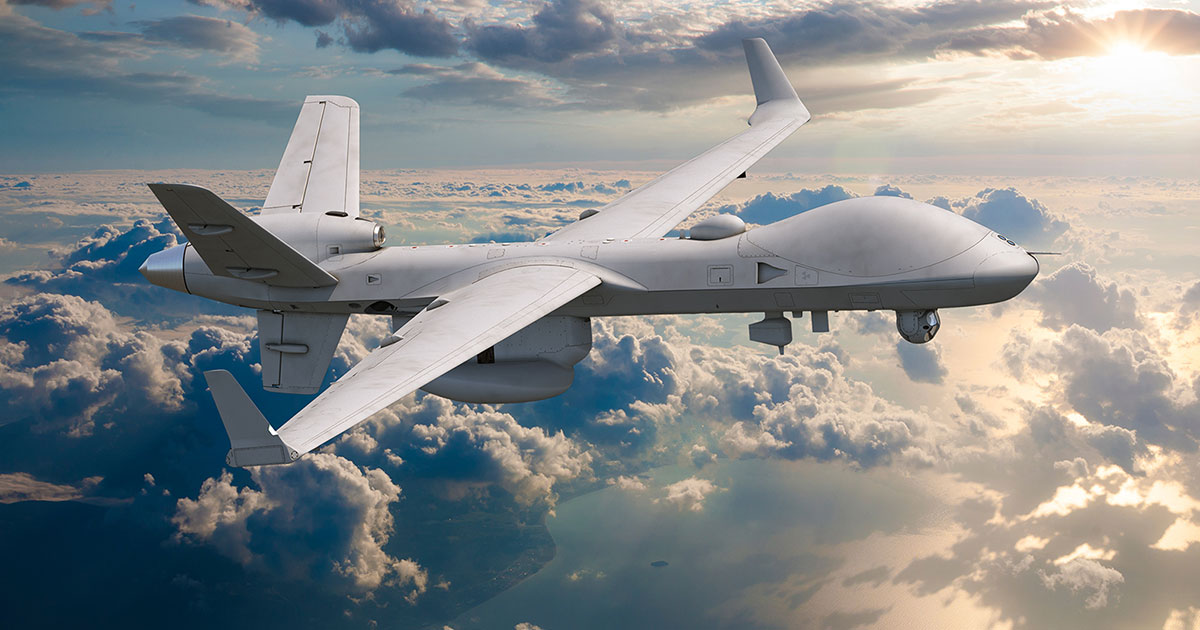
A YFQ-42A Collaborative Combat Aircraft test platform experienced a mishap following takeoff from a company-owned airport in the California desert on Monday at approximately 1 p.m. Pacific.
The time to begin building uncrewed fighters in large numbers is now, says General Atomics Aeronautical Systems President David Alexander.
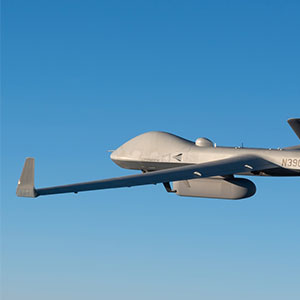
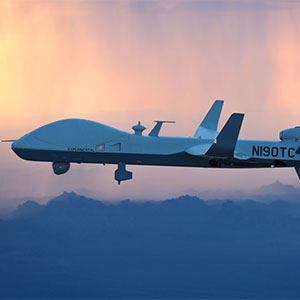
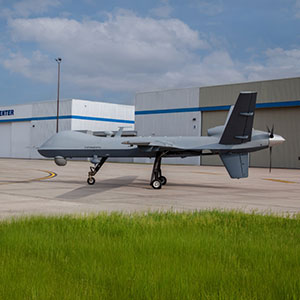
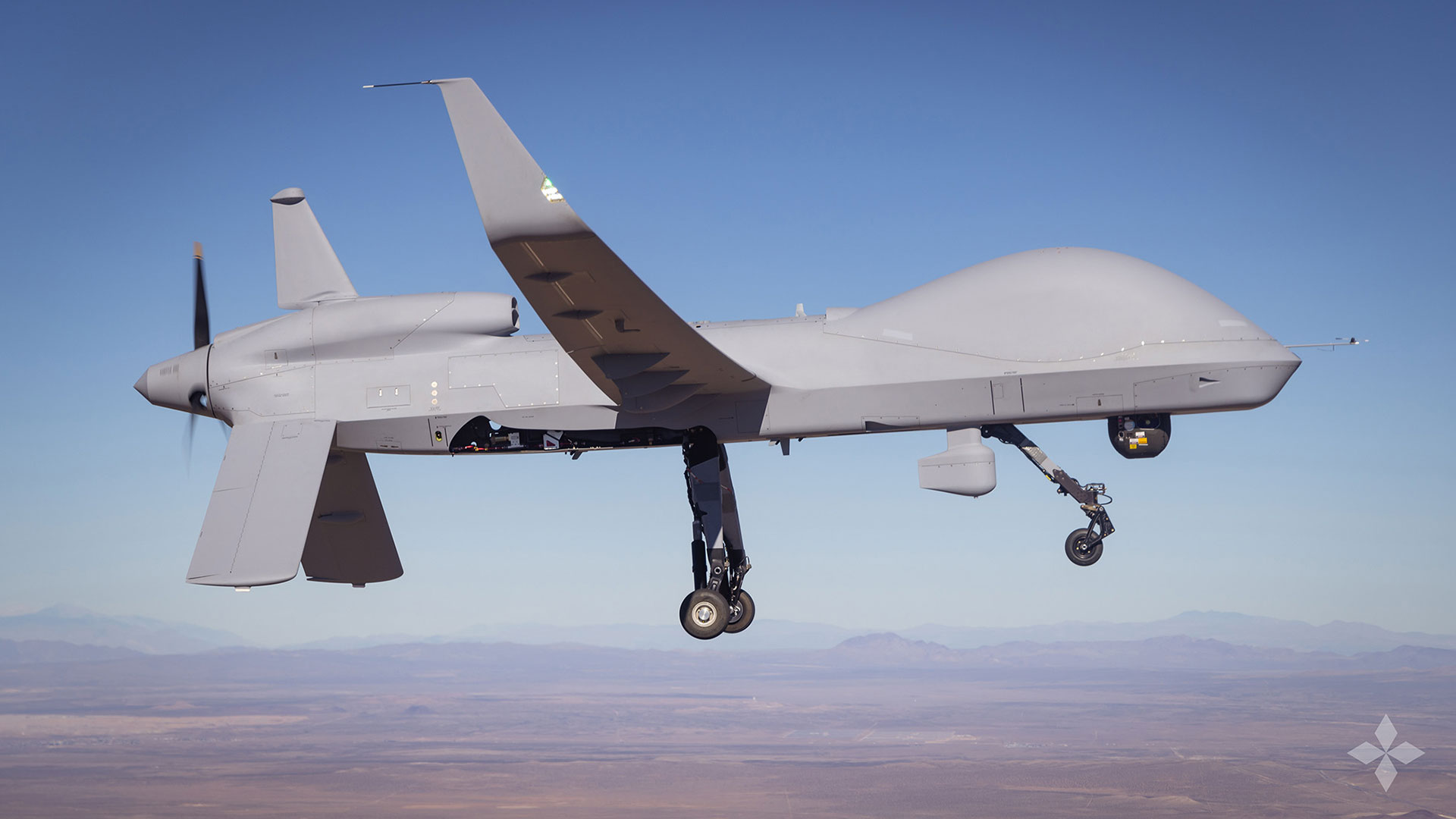
Gray Eagle is one of the few multi-echelon, multi-role systems in the Army, providing commanders with essential information, protection from attack, and exquisite intelligence in all phases of conflict.
Today’s Gray Eagle® Extended Range (GE-ER) and Gray Eagle® Short Takeoff and Landing variant, also known as Gray Eagle STOL, are the most capable aircraft in their class anywhere in the world.
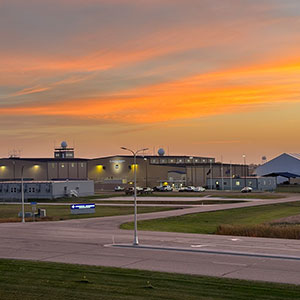
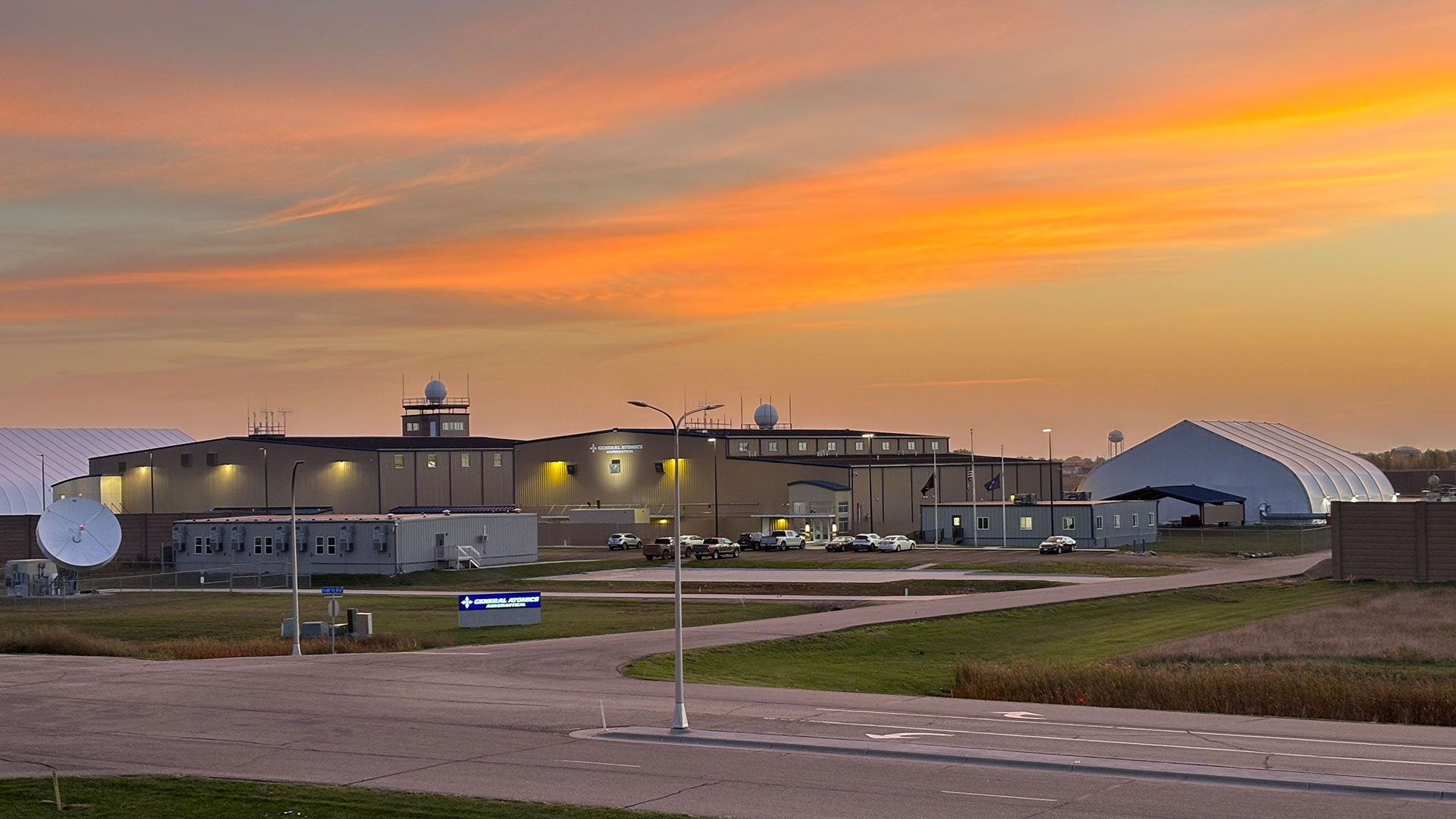
“The FTTC has evolved into a pivotal component of GA-ASI’s business, providing ready access to flight testing without major constraints, as well as providing state-of-the-art facilities for our customers who prepare to use and operate their new aircraft,” said Dean Gorder, FTTC Director.
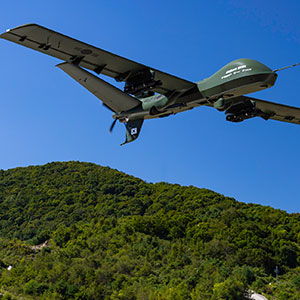
The short takeoff and landing unmanned aircraft demonstrator, built by General Atomics Aeronautical Systems, Inc., already has set new milestones in getting airborne or returning to the surface.
The peaceful nations of Northern Europe didn’t choose to rewrite their defense and security outlook for the coming decades. The decision was forced upon them by aggression in the east. Now that they’ve decided to act, however, they’re moving swiftly.
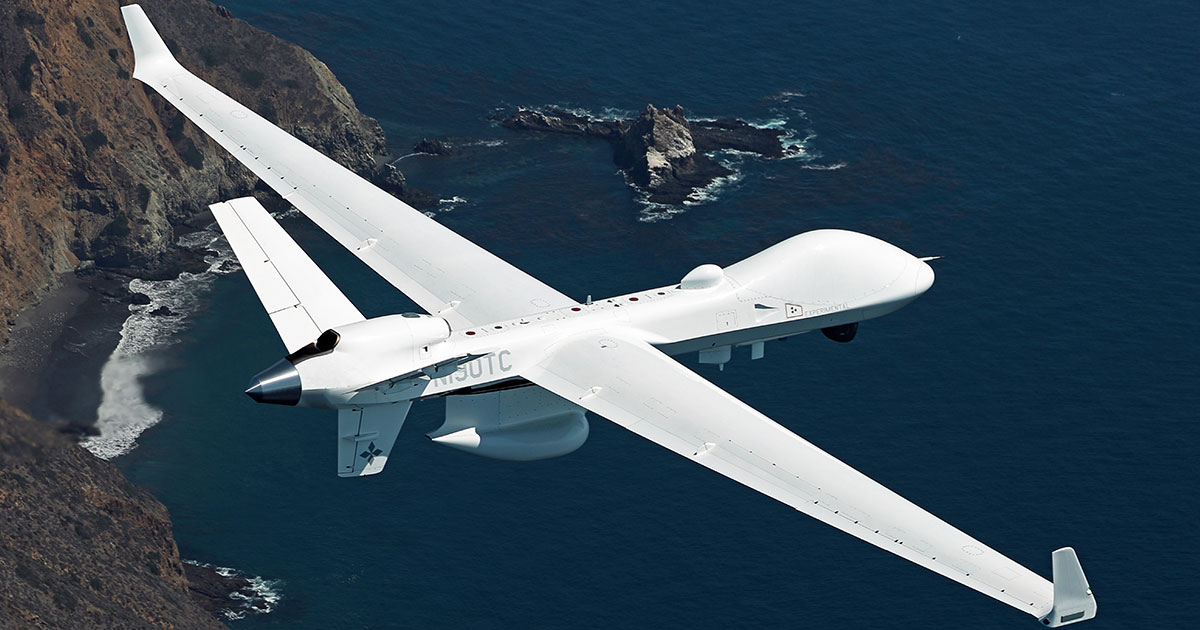
The MQ-9B SeaGuardian® unmanned aircraft system (UAS) is tailor-made to support the U.S. Navy, Marine Corps, and their allies and partners around the world against peer or near-peer forces.
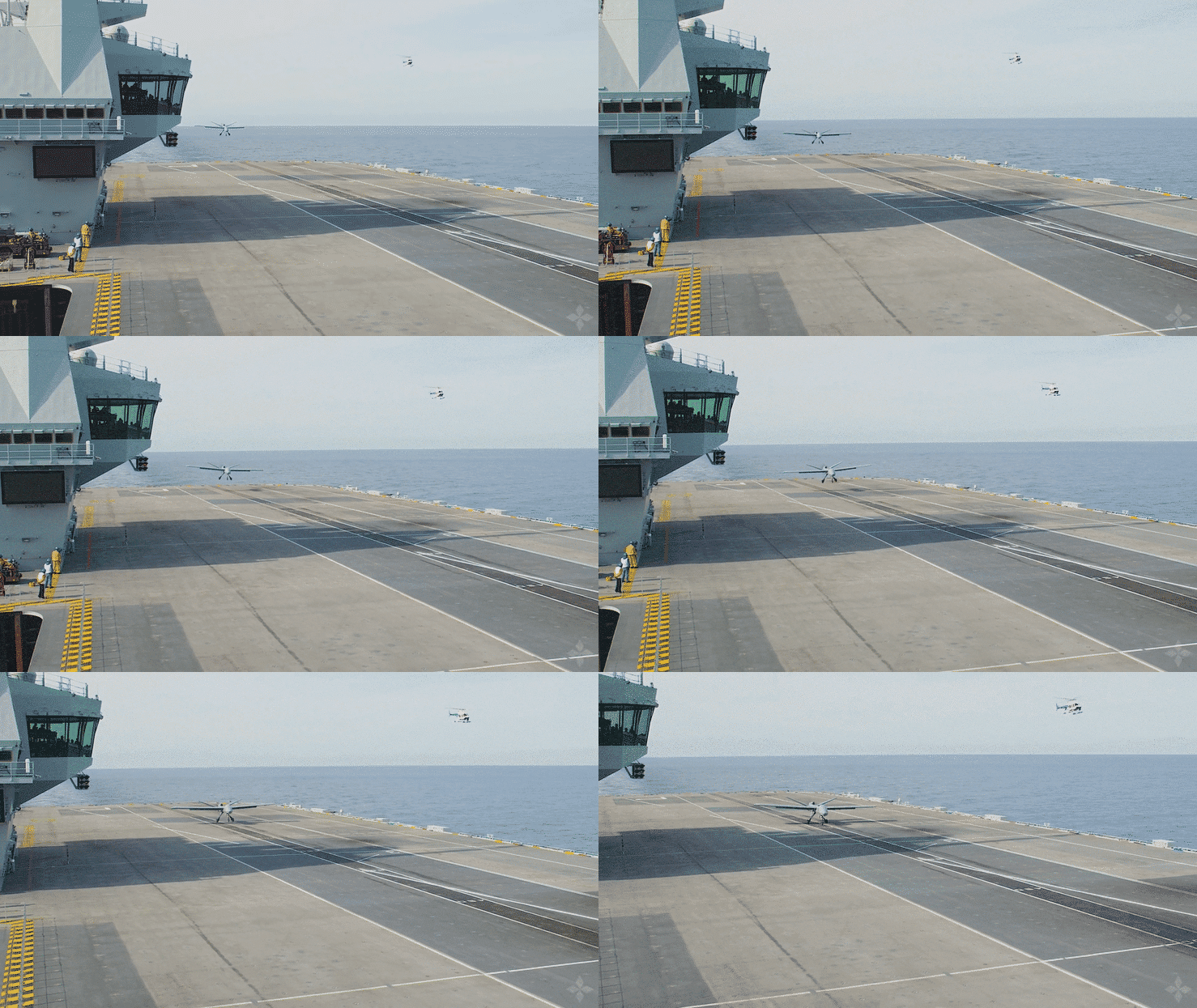
Making aviation history doesn’t happen overnight. Engineers and executives at General Atomics Aeronautical Systems, Inc., were confident the short takeoff and landing demonstrator Mojave would launch from an aircraft carrier and then land back aboard the first time.
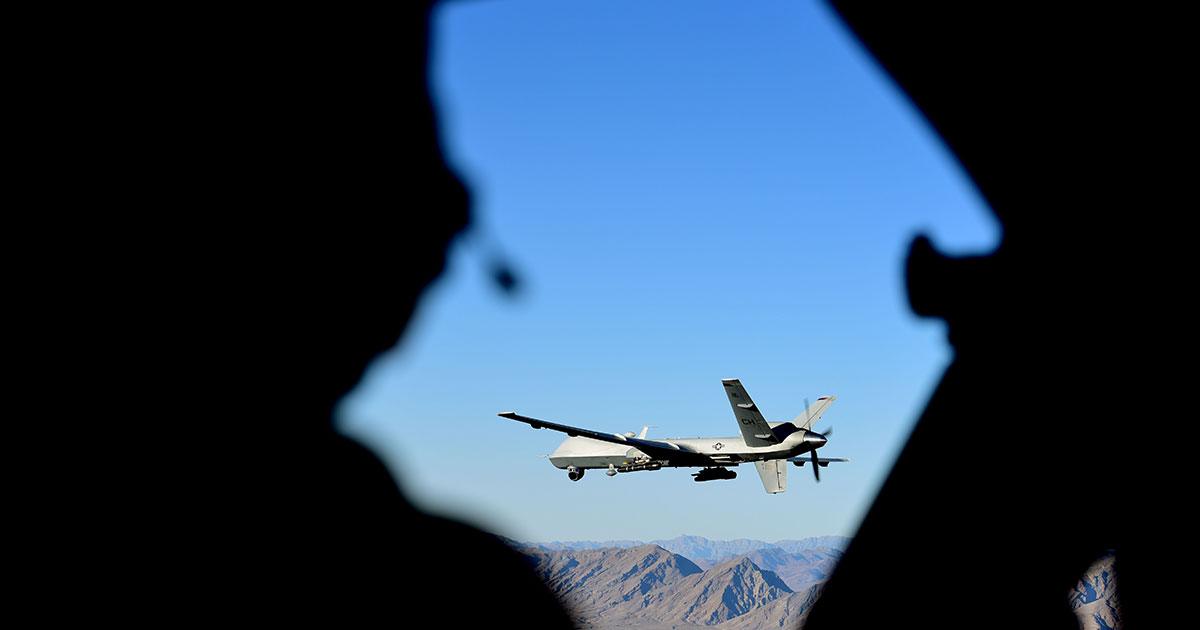
High-quality intelligence, surveillance and reconnaissance is essential for the United States and its allies – but gathering it can be dangerous work. In more than a dozen incidents around the world over the past two years, and many others before that, irresponsible pilots have threatened, harassed, damaged and, in some cases, destroyed American or allied ISR aircraft, often placing the pilots and air crews inside in extreme jeopardy.
There’s been a lot of talk about building a new generation of autonomous systems to help the U.S. and its allies preserve their advantage in airpower. General Atomics Aeronautical Systems is leading the way. To understand how, consider the scale and nature of the challenge: Tomorrow’s Air Force needs large numbers of versatile, highly capable aircraft to scout ahead, share what they sense, take on tasks and act largely on their own.
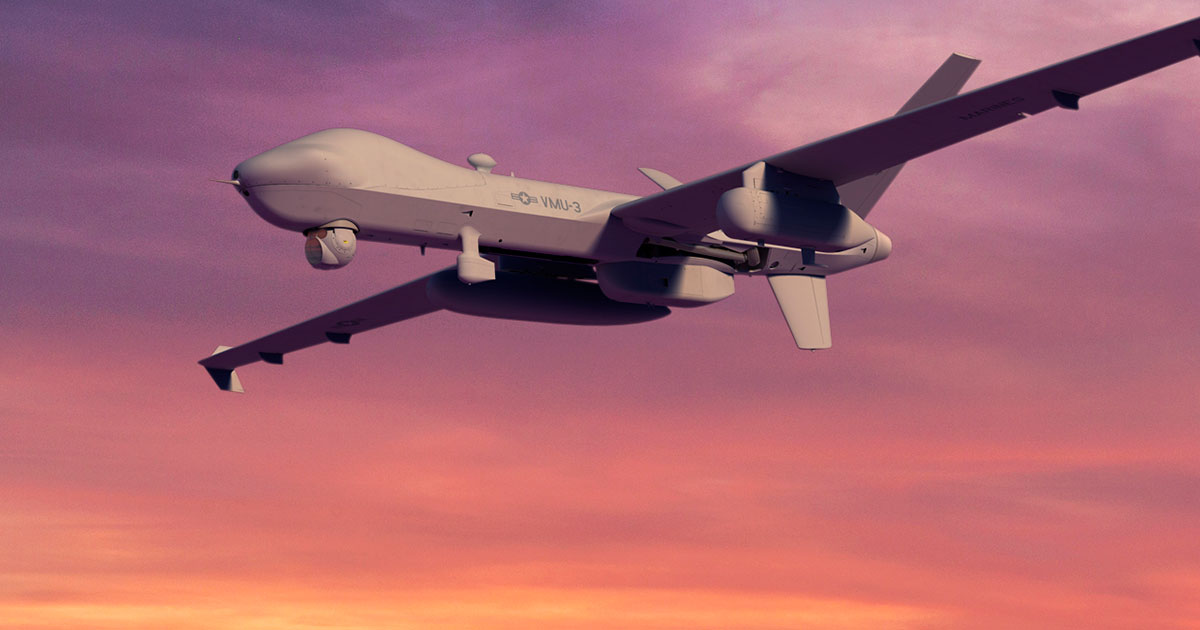
As it ushers in the coming era of Expeditionary Advanced Base Operations, the Marines are turning to sophisticated unmanned aircraft to outmaneuver these threats.
Unmanned aircraft have been revolutionizing intelligence, military, and so many other applications for years. Now their impact extends to the way navies operate at sea. Leading the way is the MQ-9B SeaGuardian®, which enables the most advanced navies, coast guard agencies, and other maritime authorities to patrol longer, detect more, and make existing units much more effective.
The vision of integrating unmanned aircraft systems, or UAS, into airspace alongside traditional manned aircraft is rapidly becoming a reality. UAS play a pivotal role in accomplishing a wide array of critical tasks, and as our utilization of these systems increases, so does our proficiency in operating and handling them. However, to fully reap those benefits, it is imperative that UAS are granted authorization to fly in a civil airspace.
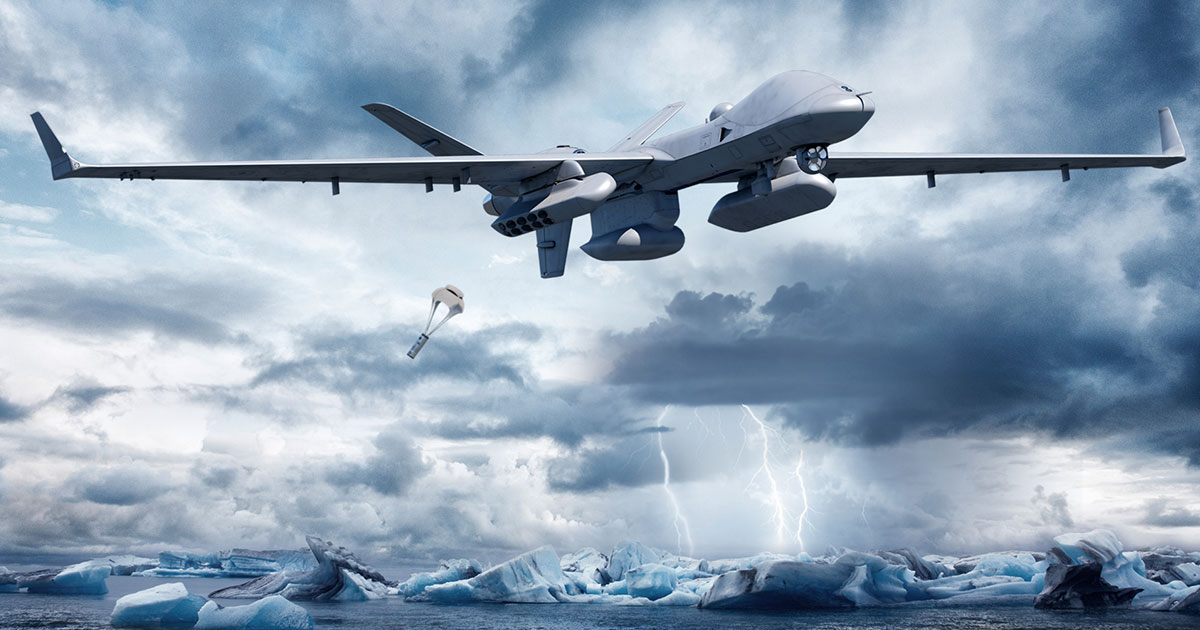
Environmental change and strategic competition are reshaping the Arctic. Traffic is increasing across newly accessible shipping lanes. Untapped natural resources are coming within reach. And tensions are mounting as Arctic and near-Arctic nations compete for commercial and military dominance.
The coming decades will bring unprecedented challenges to American sea power. The U.S. Navy and its allies have never faced a range of threats quite like those arrayed in opposition to peace and stability on the world’s oceans. That’s why Washington and its allies are rethinking the right mix for their own forces to meet the task.
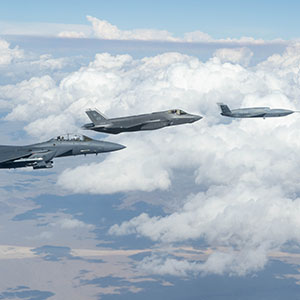
Air control is a cornerstone of American and allied military power – but it can’t be taken for granted. An array of high-tech new aircraft and threats mean that the old ways of establishing and keeping air superiority will be increasingly challenged.
A YFQ-42A Collaborative Combat Aircraft test platform experienced a mishap following takeoff from a company-owned airport in the California desert on Monday at approximately 1 p.m. Pacific.
General Atomics Aeronautical Systems, Inc. (GA-ASI) was named the winner of two awards during Aviation Week’s 21st annual Program Excellence Awards last week. GA-ASI’s United Kingdom (UK) Protector Program was given the Special Projects Award, while its Japan COCO (Company-Owned, Company-Operated) Program won in the category of OEM System Sustainment.
General Atomics Aeronautical Systems, Inc. (GA-ASI) and the U.S. Air Force held another autonomy flight exercise yielding new and important developments in the operation of Collaborative Combat Aircraft (CCA).
General Atomics Integrated Intelligence, Inc. (GA-Intelligence) and General Atomics Aeronautical Systems, Inc. (GA-ASI) successfully completed a milestone demonstration on March 4th, validating the use of Agentic AI to enable autonomous tactical reasoning and decision making beyond line of sight (BLOS) in a sensor Emission Control (EMCON) environment.
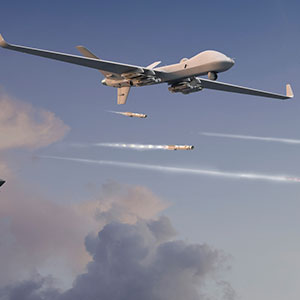
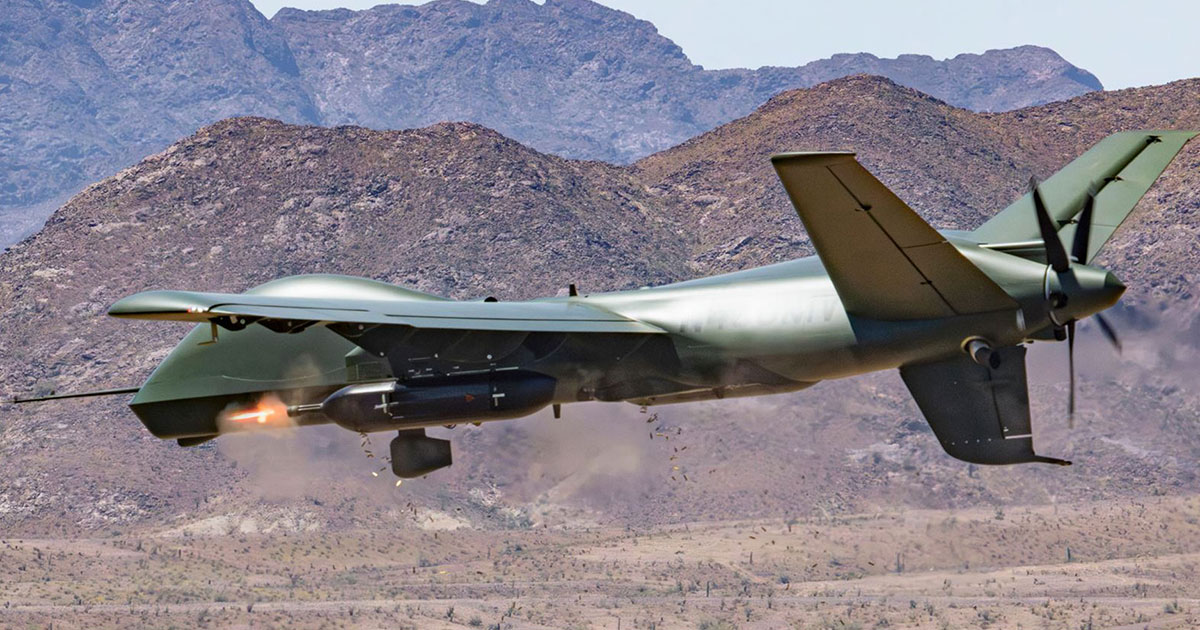
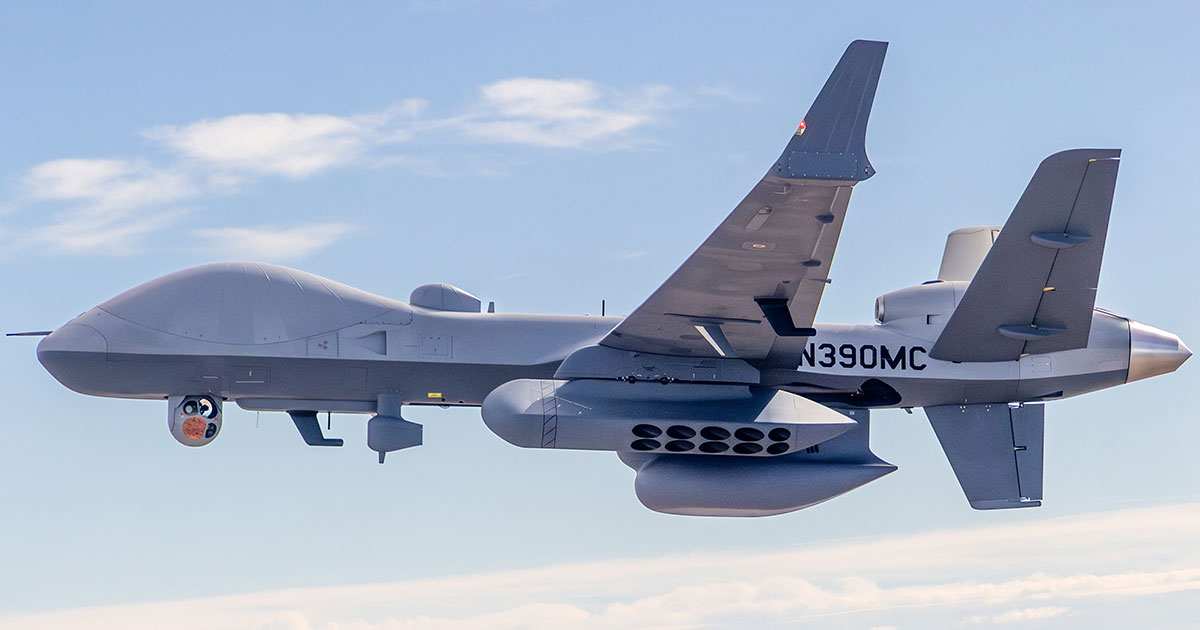
General Atomics Aeronautical Systems, Inc. (GA-ASI) is developing the addition of long-range standoff weapons to its top-of-the-line MQ-9B SkyGuardian® and SeaGuardian®.
In collaboration with the U.S. Air Force, General Atomics Aeronautical Systems, Inc. (GA-ASI) conducted its latest demonstration performing an autonomous mission out of Edwards Air Force Base in Southern California using its MQ-20 Avenger® unmanned jet and an F-22 Raptor equipped with the latest government reference autonomy software.
General Atomics Aeronautical Systems, Inc. (GA-ASI) is giving its U.S. Air Force Collaborative Combat Aircraft a new name: YFQ-42A Dark Merlin. Dark merlins, deadly falcons known for their black feathers and devouring of other falcons as prey, often collaborate in groups for maximum effect against their targets.
General Atomics Aeronautical Systems, Inc., (GA-ASI) welcomes the February 17 announcement confirming that the Defense Advanced Research Projects Agency (DARPA) uncrewed air superiority system known as LongShot has received U.S. Air Force designation X-68A.
General Atomics Aeronautical Systems, Inc. (GA-ASI) passed a new milestone this month, successfully integrating 3rd-party mission autonomy into the YFQ-42A Collaborative Combat Aircraft to conduct its first semi-autonomous airborne mission.
General Atomics Aeronautical Systems, Inc. (GA-ASI) was competitively selected by the U.S. Marine Corps (USMC) for evaluation in the Marine Air-Ground Task Force Uncrewed Expeditionary Tactical Aircraft (MUX TACAIR) Collaborative Combat Aircraft (CCA) program.
GA-ASI and the Mitchell Institute for Aerospace Studies presented the 2024 Remotely Piloted Aircraft (RPA) Squadron of the Year Award to the 184th Attack Squadron (ATKS) from the Ebbing Air National Guard Base.
General Atomics Aeronautical Systems, Inc. (GA-ASI), the world leader in unmanned aircraft systems, and Calidus Aerospace, one of the leading defense and manufacturing companies, have signed a Memorandum of Understanding (MOU) to collaborate on the prospective co-production of MQ-9B Remotely Piloted Aircraft and Gambit Collaborative Combat Aircraft (CCA) in the UAE, as well as command and control and battle management systems.
General Atomics Aeronautical Systems, Inc. (GA-ASI) –– the world leader in unmanned systems – and Barzan Holdings, Qatar’s national defence and security leader, signed a Memorandum of Understanding (MOU) to collaborate on the development of advanced Battle Management software capabilities.
General Atomics Aeronautical Systems, Inc. (GA-ASI) began construction January 14 on a new hangar at El Mirage Airfield in El Mirage, California. The new construction is in the high desert of Southern California adjacent to GA-ASI’s current Desert Horizon Flight Operations Facility.
In its latest demonstration of advanced autonomy development, General Atomics Aeronautical Systems, Inc. (GA-ASI) successfully executed a mission autonomy flight using its MQ-20 Avenger® jet equipped with the latest government reference autonomy software.
General Atomics Aeronautical Systems, Inc. (GA-ASI) and the U.S. Navy continue to expand the Anti-Submarine Warfare (ASW) capability of the MQ-9B SeaGuardian® Unmanned Aircraft System (UAS).
Germany’s Federal Office of Bundeswehr Equipment, Information Technology and In-Service Support and the NATO Support and Procurement Agency (NSPA) have announced the procurement of eight MQ-9B SeaGuardian® Remotely Piloted Aircraft (RPA) from General Atomics Aeronautical Systems, Inc. (GA-ASI).
On November 18, General Atomics Aeronautical Systems, Inc. (GA-ASI) and its Blue Magic Netherlands (BMNL) partners held their second “shark tank” style event in Eindhoven, the Netherlands. The event brought together emerging Dutch companies and attracted more than 350 attendees.
Tawazun Council for Defence Enablement, EPI, an entity of EDGE Group and the cornerstone of precision engineering in the UAE’s aerospace, oil and gas, and defence industries, and General Atomics Aeronautical Systems, Inc. (GA-ASI), a leader in advanced aerospace technology for unmanned aircraft systems (UAS), have signed a framework agreement to manufacture Electronic Brake Control Units (eBCU) in the UAE.
On October 21, 2025, General Atomics Aeronautical Systems, Inc. (GA-ASI), Lockheed Martin, and L3Harris Technologies (NYSE:LHX) collaborated on a flight test that successfully demonstrated Crewed-Uncrewed Teaming using an F-22 Raptor fighter jet and a GA-ASI MQ-20 Avenger® unmanned jet.